
We learned this by doing it, not by reading about it
Before SourceToGulf, our founder ran a livestream selling business to Hong Kong: 2,000+ pairs of shoes, 1,000+ jewelry orders, 3,000+ lingerie orders — with zero returns. The lesson from those thousands of orders isn't about selling; it's about sourcing. The products that made money all shared the same traits, and the ones that flopped all broke the same rules. This guide is those rules, adapted for the Gulf.
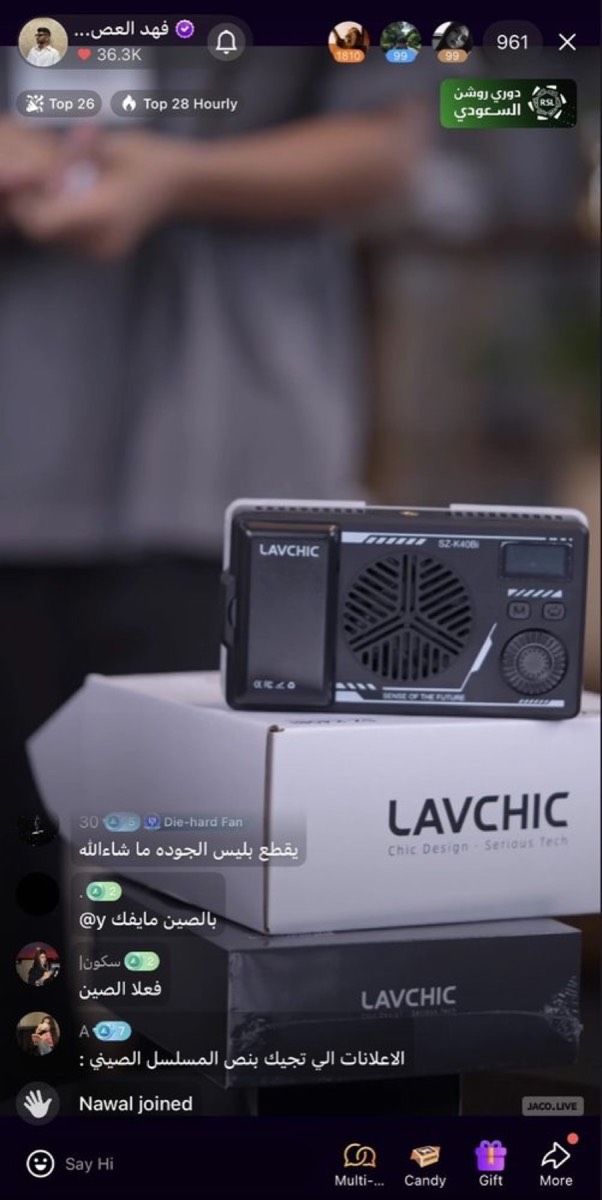
Rule 1: The camera decides, not you
A livestream product has 3 seconds to make someone stop scrolling. That means: visual transformation (cleaning products that foam, organizers that expand, lights that change a room), satisfying mechanics (anything that clicks, spins, unfolds), or instant beauty effect. Products that need explanation die on livestream. Before we quote any product for a livestream client, we ask: what's the 3-second demo? If there isn't one, we say so.
Rule 2: Price for the impulse window
Livestream purchases are emotional and fast. The Gulf sweet spot is 30–150 SAR/AED — expensive enough to carry your margin, cheap enough that nobody needs to 'think about it.' Below 30, shipping and platform fees eat you. Above 150, viewers leave to compare prices and don't come back. Work backwards from that retail window: at 60 SAR retail, your landed cost needs to be under ~20 SAR. That's the number we quote against.
Rule 3: Test small, restock fast
The classic mistake: ordering 5,000 pieces of an untested product because the per-unit price was irresistible. The per-unit price of dead inventory is infinite. Instead: test 100–300 pieces by air. If it sells out in two streams, restock 1,000+ by sea while air-bridging a small batch to cover the gap. Yes, the test batch costs more per piece — it's tuition, not waste. Our fastest client cycle so far: WhatsApp photo on Sunday, test batch live on stream 9 days later.
Rule 4: Avoid the margin killers (at first)
Some categories are traps for new sellers: sized fashion (returns of 30%+ eat everything), fragile goods (breakage in Gulf last-mile is brutal), batteries and liquids (shipping restrictions double your freight), and anything needing certification you haven't budgeted for. Master the boring-profitable categories first — home organization, beauty tools, phone accessories, kitchen gadgets — then expand into the hard ones with real volume behind you.
What a sourcing partner does for a streamer
Your job is content and selling; ours is everything behind it. You send us a TikTok screenshot or a product idea — we find it in Yiwu/Guangzhou, film the real thing so you can check the 3-second demo before buying, quote one landed price, inspect every batch before it ships, and keep your restock pipeline moving so you never go dark on a winning product. When you're ready for your own packaging, we build that too. The sellers who scale are the ones who treat sourcing as infrastructure, not an errand.