
Why Oman is an emerging opportunity
Oman is the Gulf's quiet growth story. Around 5.1 million people — larger than Qatar, Bahrain or Kuwait — with a diversification push under Vision 2040 that's building new ports, free zones and tourism infrastructure at speed. Sohar Port and Duqm Port are pulling commercial traffic away from the older Sultan Qaboos Port, and Muscat's retail scene is expanding with new malls and a growing e-commerce sector. Yet Oman is the GCC country most sourcing guides skip entirely — which means less competition for importers who show up.
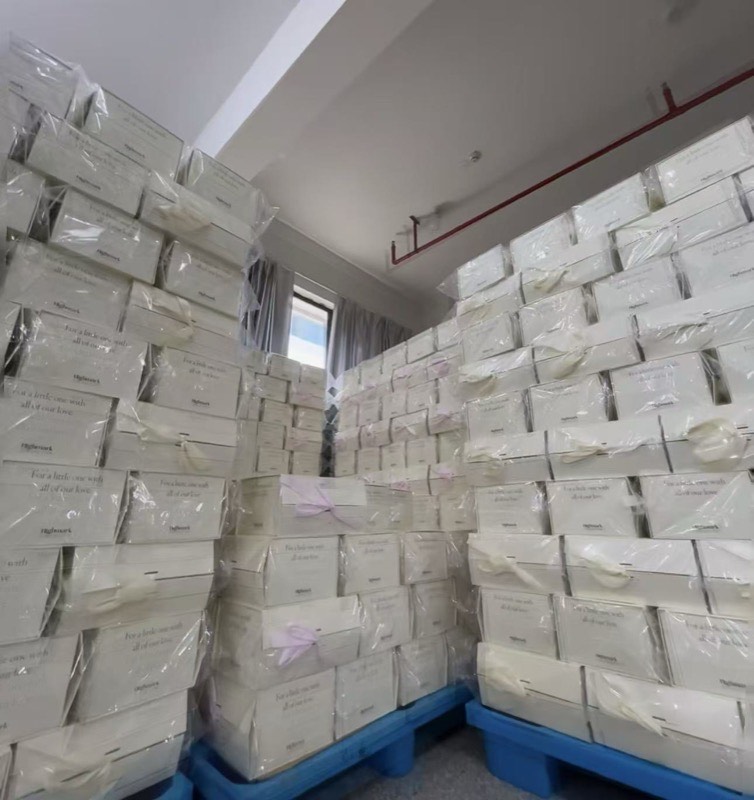
Oman implemented 5% VAT in 2023 — the same rate as the UAE, and much lighter than Saudi's 15% or Bahrain's 10%. The customs duty is 5% on CIF for most goods. The conformity regime through DGSM is short-list, comparable to Kuwait and Qatar. Oman's strategic position at the mouth of the Arabian Gulf, with direct access to the Indian Ocean, gives it unique shipping routes — Duqm Port is closer to India and East Africa than any other Gulf port.
Step 1: Get your paperwork ready — before you buy anything
For commercial imports, Oman requires a commercial registration from the Ministry of Commerce, Industry and Investment Promotion that lists importing as an activity, plus registration with Oman Customs. The process runs through Oman's Invest Easy portal and typically takes 1–2 weeks. You'll also need VAT registration with the Oman Tax Authority once your annual taxable supplies exceed OMR 38,500. The 5% VAT you pay at customs is recoverable as input tax once registered.
No CR yet? Small personal parcels by air clear without one, and plenty of our clients test their first batch that way while the paperwork is in process. Oman's business environment is becoming more foreign-investor-friendly under Vision 2040, with simplified licensing in free zones like Sohar and Duqm.
Step 2: Find a supplier you can actually trust
Most people start on Alibaba — fine for research, wrong for final prices. The same product in Yiwu's offline wholesale markets is often 10–30% cheaper, and many good factories don't maintain English listings at all. Whatever route you take, verification is non-negotiable: check the business license, ask for a video call from the factory floor, and never pay a supplier nobody has visited. Omani buyers value trust and long-term relationships — a supplier who delivers consistent quality will earn repeat business for years. The team walks Yiwu and Guangzhou markets in person — when we quote you a supplier, we've stood in their shop.
Step 3: Check if your product needs a DGSM certificate
Oman's conformity program runs through the Directorate General for Standards and Metrology (DGSM) — and like Kuwait and Qatar, the regulated list is short: mainly electronics, electrical appliances, toys, and some building materials. If your product is on the list, you need a Certificate of Conformity (CoC) from an approved inspection body (TÜV, Intertek, SGS) before the shipment leaves China. The certificate costs roughly $100–350 and takes 3–7 working days.
Most general merchandise ships to Oman without a conformity certificate. If you're also selling into the bigger markets, plan the compliance once: our Saudi guide covers SABER, our UAE guide covers ECAS, our Kuwait guide covers KCAS, and our Qatar guide covers QS — a product built to clear Saudi will clear Oman comfortably.
Step 4: Understand your real landed cost (worked example)
Your real cost per piece is NOT the factory price. It's: product price + local transport in China + export handling + international freight + insurance + import duty (5% on CIF value) + 5% VAT (on CIF + duty) + customs clearance + final delivery. Oman's 5% VAT matches the UAE — the second-lowest in the GCC. We wrote the full breakdown in our landed cost guide. The short version: a ¥20 product usually lands in Muscat at ¥33–48 depending on weight and shipping method.
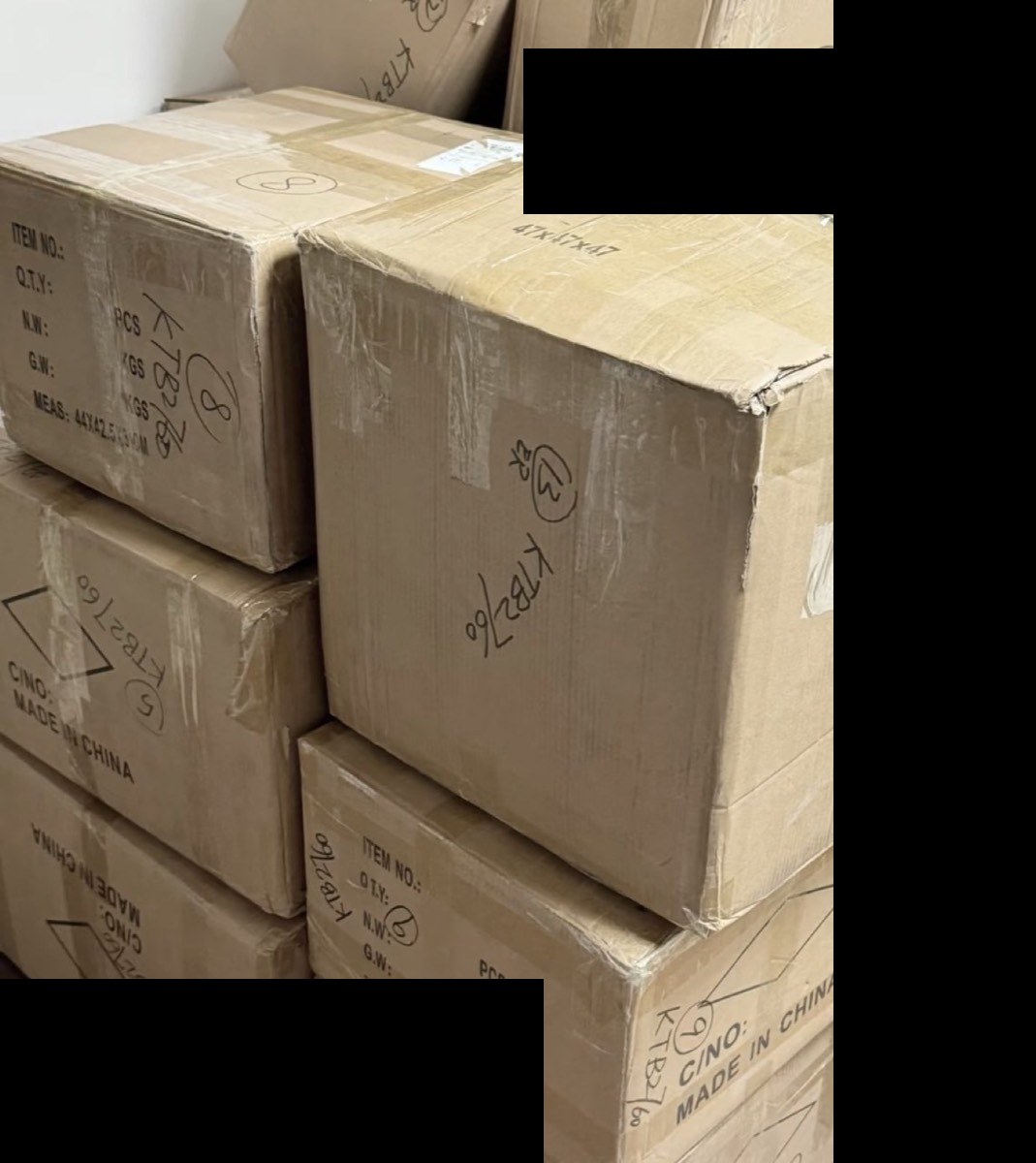
Worked example — 100 units at ¥20 each, 0.3 kg each, shipped by consolidated air freight: goods 100 × ¥20 = ¥2,000. Freight: first 0.5 kg at ¥68, then ¥45.6/kg → ¥68 + (29.5 × ¥45.6) = ¥1,413. Total CIF ≈ ¥3,413 ≈ $478. Duty 5% = $23.90. VAT 5% on ($478 + $23.90) = $25.10. Landed total ≈ $530 ≈ OMR 204 — about OMR 2.04 per piece, everything included. Cheaper than Saudi (15% VAT) and Bahrain (10% VAT), slightly more than Kuwait and Qatar (no VAT).
If that per-piece number still leaves room at your retail price, the product works. If it doesn't, no amount of factory negotiation will save it — pick a lighter product or a bigger order. Run your own numbers in seconds with the landed cost calculator on our home page.
Step 5: Inspect before shipping — always
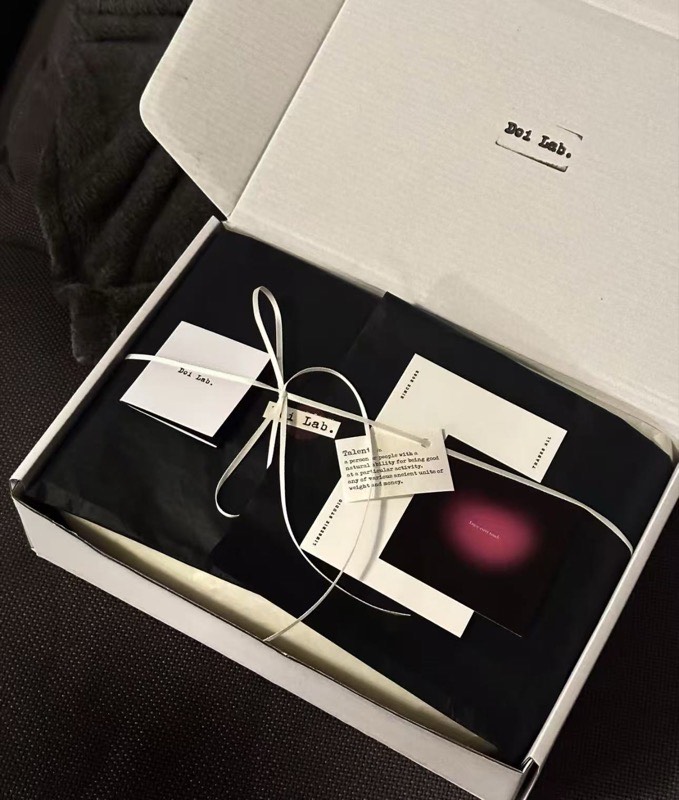
Once goods leave China, your leverage drops to nearly zero. Returning a defective shipment to a Chinese supplier from Muscat costs more than the goods. So the inspection has to happen before shipping: open cartons, count quantities, check defects, film it. Every order we handle gets a photo/video inspection report that you approve before anything ships. Omani business culture is built on personal relationships — one bad batch can damage a reputation that took years to build.
Step 6: Air or sea — which should you choose?
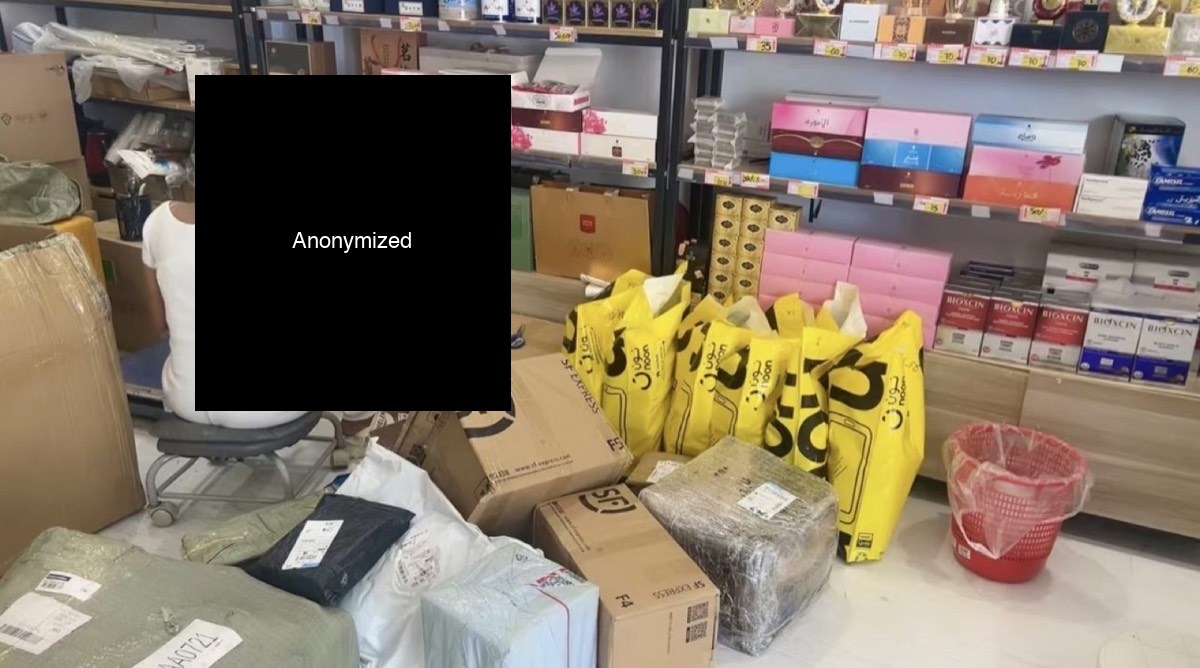
Air freight to Oman takes 5–9 days door-to-door via Muscat International Airport. Sea freight takes 22–30 days via Sohar Port (the main commercial port, north of Muscat) or Sultan Qaboos Port (handling decreasing cargo). Duqm Port, further south, is growing for industrial and bulk cargo. For most consumer-goods importers, Sohar is the primary sea gateway. Air wins for test batches; sea wins for proven products at scale.
| Method | Door-to-door time | Typical cost | Best for |
|---|---|---|---|
| Express / consolidated air | 5–9 days | $4–7 per kg | Test batches, new products, small orders |
| Air freight (cargo) | 4–7 days | $3–5 per kg (volume rules apply) | 200–500 kg, urgent larger orders |
| Sea LCL via Sohar | 22–30 days | $80–140 per CBM | 1–15 CBM, proven sellers, restocking |
| Sea FCL via Sohar | 22–30 days | Quoted per container | 15+ CBM, wholesale volumes |
Practical rule: test by air, restock by sea. Oman's sea routes are slightly longer than the UAE's or Bahrain's because of the additional sailing distance around the Arabian Peninsula. We consolidate multiple suppliers into one shipment, so small orders from different factories still travel at sane rates.
Step 7: Clear customs with complete documents
Oman customs needs: commercial invoice, packing list, bill of lading/airway bill, certificate of origin, and a DGSM Certificate of Conformity where applicable. Oman's electronic customs system (Bayan) handles declarations online, but any mismatch — a wrong HS code, an invoice that doesn't match the packing list — and your shipment sits at Sohar while storage fees grow. This is why our quotes include clearance: we prepare the documents in China, where fixing a mistake costs a phone call instead of two weeks.
What actually sells in Oman?
From our own order book, the categories that consistently move for Omani sellers: frankincense and oud burners (Oman is the world's top frankincense producer — but the burners, diffusers and accessories come from China), prayer mats and Islamic accessories, abayas and modest-fashion, car accessories and detailing (Oman has a strong car culture, especially SUVs and off-road), phone cases and tech accessories, home decor and Ramadan/Eid decorations (order 4–5 months ahead), and camping/outdoor gear (Oman's tourism and outdoor culture is growing fast). These are exactly the categories we curate in this month's product picks — each with a factory price, a landed price to the Gulf, MOQ and lead time.
Selling online? Instagram shops with WhatsApp ordering are strong in Oman, noon Oman and Amazon.ae (delivering to Muscat) are growing, and TikTok Shop is arriving. We covered how to build a product line that converts on camera in the livestream sellers' guide.