
Why Saudi Arabia is worth the extra effort
Saudi Arabia is the Gulf's biggest consumer market — around 36 million people, a young, app-native population, and an e-commerce sector growing at double digits every year under Vision 2030. noon.sa, Amazon.sa and thousands of Salla and Zid storefronts all need stock, and most of that stock starts life in Guangzhou or Yiwu.
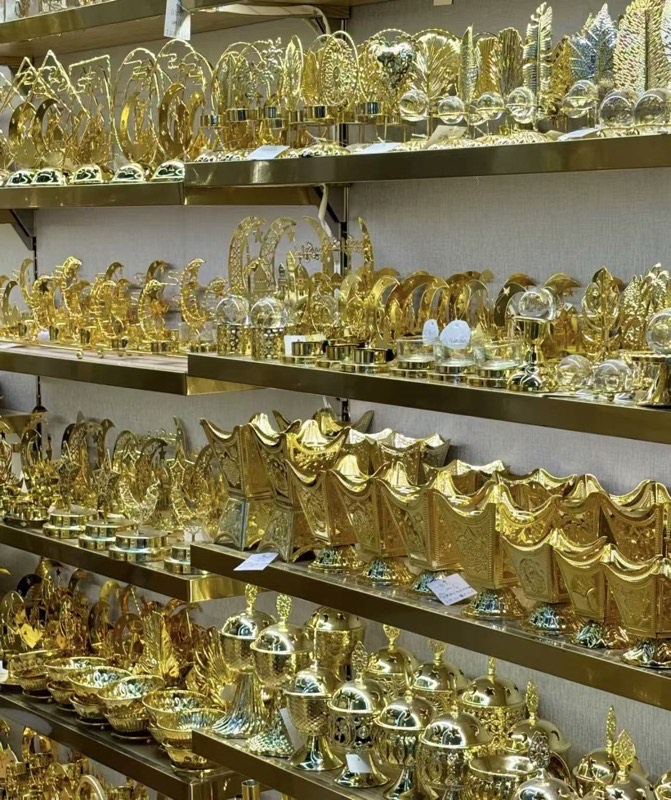
Let's be honest about the trade-off: Saudi is harder to import into than the UAE. There's the SABER conformity platform, 15% VAT instead of 5%, and a customs authority that checks carefully. That difficulty is exactly why the market is less crowded — the compliance barrier filters out competitors who can't handle it. Importers who get SABER right from the first shipment are competing for a market most casual sellers never reach. This guide exists so you can be one of them.
Step 1: Get your paperwork ready — before you buy anything
For commercial imports, Saudi customs clears goods against a commercial registration (سجل تجاري / CR) that lists import as an activity, issued through the Ministry of Commerce. On top of that you'll need a VAT registration once your taxable supplies pass SAR 375,000 a year — worth doing early, because the 15% VAT you pay at customs is recoverable as input tax once registered. Foreign companies trading directly in the Kingdom also need a MISA investment license.
No CR yet? You can still move. Small personal parcels by air don't need one, and plenty of our clients launch their first test batch that way while the paperwork is in process. The mistake to avoid is ordering a commercial-scale shipment before the paperwork exists — that's how goods end up sitting in bonded storage at Jeddah airport.
Step 2: Find a supplier you can actually trust
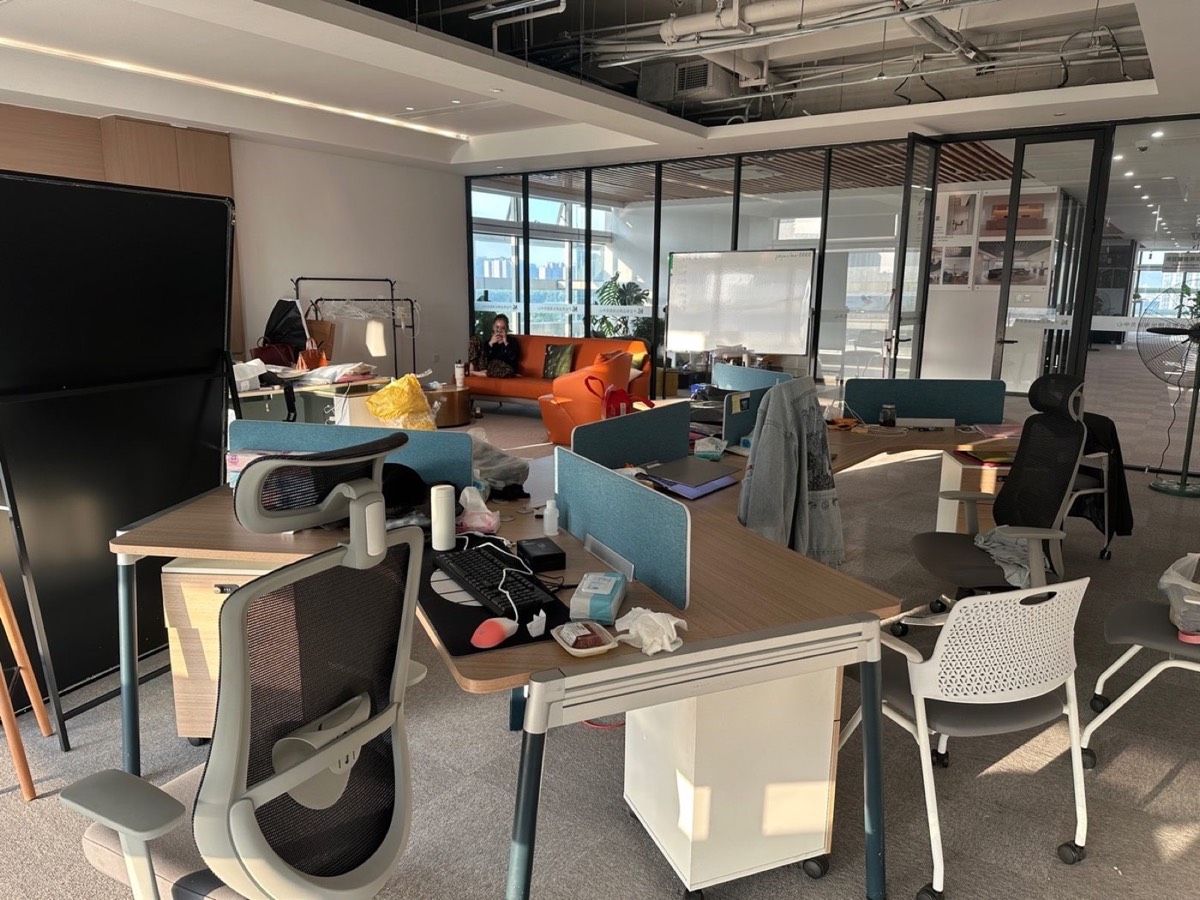
Most people start on Alibaba — and that's fine for research. But the prices you see online are rarely the best prices. The same product in Yiwu's offline wholesale markets is often 10–30% cheaper, and many good factories don't maintain English listings at all. Whatever route you take, verification is non-negotiable: check the business license, ask for a video call from the factory floor, and never pay a supplier nobody has visited. The team walks Yiwu and Guangzhou markets in person — when we quote you a supplier, we've stood in their shop.
Step 3: Check SABER before you pay a deposit
SABER is Saudi Arabia's product conformity platform — and it's where most first-time importers get stuck. Many categories (electronics, toys, cosmetics, textiles, building materials and more) need a Product Certificate of Conformity (PCoC) before the shipment can clear, plus a Shipment Certificate (SCoC) per consignment. The certificates are arranged by the supplier or your agent in China, cost roughly $100–500 depending on category, and take 3–10 working days. The critical part: check BEFORE ordering. If your supplier can't provide test reports for SABER, switch suppliers — don't hope customs won't notice. They will.
One layer that catches people out: cosmetics, skincare, food supplements, personal care items and anything medical fall under SFDA (the Saudi Food and Drug Authority), which has its own registration requirements on top of SABER — longer lead times and Arabic labeling rules included. Electrical goods must meet Saudi technical regulations, with test reports from an accredited laboratory. Our rule of thumb: a 10-minute compliance check before you order beats a container stuck in Jeddah after. Starting in the UAE instead? The rules are very different there — our UAE import guide covers ECAS and the paperwork side.
Step 4: Understand your real landed cost (worked example)
Your real cost per piece is NOT the factory price. It's: product price + local transport in China + export handling + international freight + insurance + import duty (5–15% by category, calculated on CIF value) + 15% VAT (calculated on CIF + duty) + customs clearance + final delivery. We wrote a full breakdown with a worked example in our landed cost guide. The short version: a ¥20 product usually lands in Saudi at ¥35–55 depending on weight and shipping method. If someone quotes you only the factory price, they're telling you a third of the story.
Worked example — 100 units at ¥20 each, 0.3 kg each, shipped by consolidated air freight: goods 100 × ¥20 = ¥2,000. Freight: first 0.5 kg at ¥68, then ¥45.6/kg → ¥68 + (29.5 × ¥45.6) = ¥1,413. Total CIF ≈ ¥3,413 ≈ $478. Duty 5% = $23.90. VAT 15% on ($478 + $23.90) = $75.30. Landed total ≈ $577 ≈ SAR 2,164 — about SAR 21.6 per piece, everything included. Add SABER fees ($100–500 spread across the batch) if your category needs them.
If that per-piece number still leaves room at your retail price, the product works. If it doesn't, no amount of factory negotiation will save it — pick a lighter product or a bigger order. Run your own numbers in seconds with the landed cost calculator on our home page.
Step 5: Inspect before shipping — always
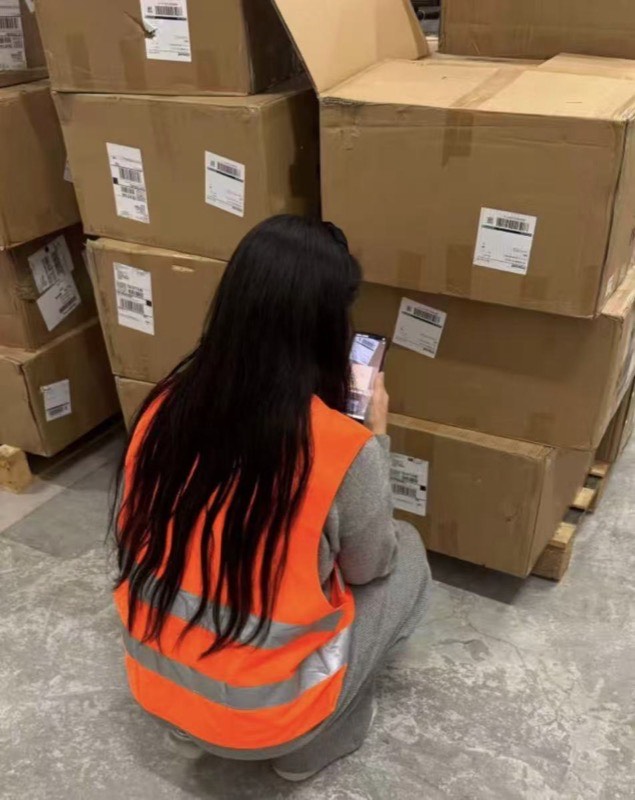
Once goods leave China, your leverage drops to nearly zero. Returning a defective container to a Chinese supplier from Riyadh costs more than the goods. So the inspection has to happen before shipping: open cartons, count quantities, check defects, film it. Every order we handle gets a photo/video inspection report that you approve before anything ships. This single step is the difference between importers who last and importers who quit after one bad container.
Step 6: Air or sea — which should you choose?
Air freight to Saudi takes 6–10 days door-to-door and suits orders under ~300 kg or anything you need fast for a selling season. Sea freight takes 20–30 days and becomes cheaper per kg somewhere above 1–2 CBM. For livestream sellers restocking proven products, sea is usually right; for testing new products, air wins because speed matters more than margin on a test batch.
| Method | Door-to-door time | Typical cost | Best for |
|---|---|---|---|
| Express / consolidated air | 6–10 days | $4–7 per kg | Orders under ~300 kg, testing new products, seasonal restocks |
| Air freight (cargo) | 5–9 days | $3–5 per kg (volume rules apply) | 200–500 kg, urgent larger orders |
| Sea LCL (shared container) | 25–35 days | $80–150 per CBM | 1–15 CBM, proven sellers, Ramadan & Eid stock |
| Sea FCL via Jeddah / Dammam | 25–38 days | Quoted per container | 15+ CBM, wholesale volumes |
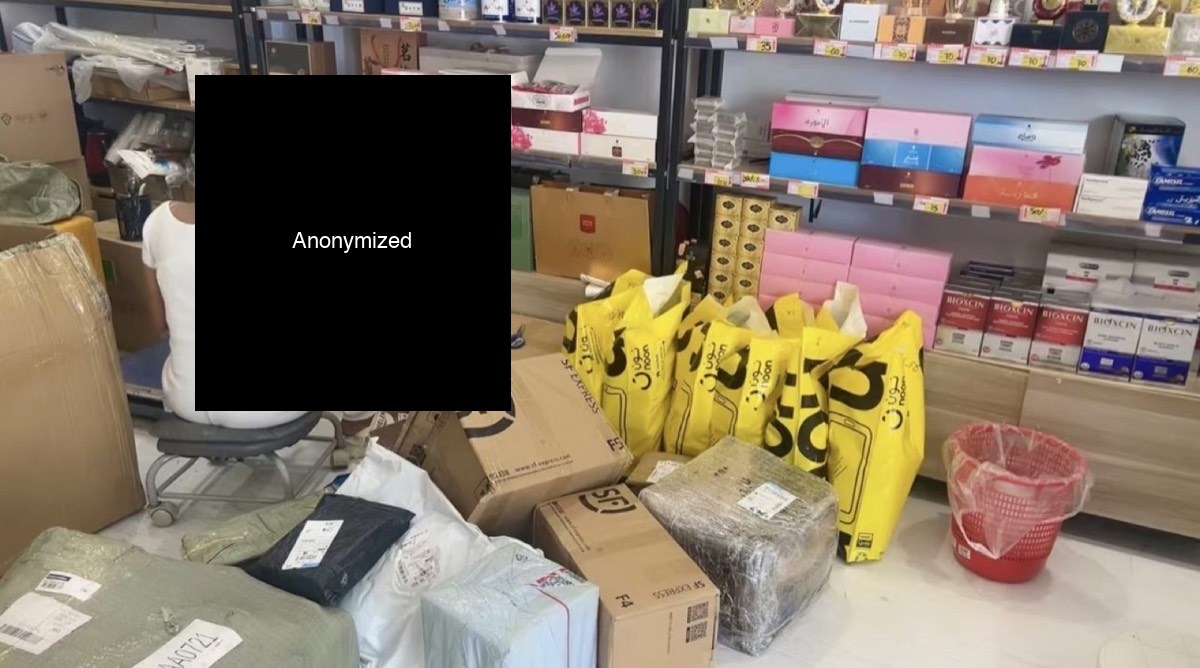
Practical rule from our weekly shipments: test new products by air, restock proven winners by sea. And for Ramadan and Eid season, work backwards from the selling date — sea freight leaving China in the wrong week arrives in Jeddah after the season is over. We consolidate multiple suppliers into one shipment, so small orders from three factories still travel at sane rates.
Step 7: Clear customs with complete documents
Saudi customs needs: commercial invoice, packing list, bill of lading/airway bill, certificate of origin, and SABER certificates where applicable. Any mismatch — a wrong HS code, an invoice that doesn't match the packing list — and your shipment sits in Jeddah while storage fees grow. This is why our quotes include clearance: we prepare the documents in China, where fixing a mistake costs a phone call instead of two weeks.
What actually sells in Saudi Arabia?
From our own order book, the categories that consistently move for Saudi sellers: oud, bakhoor and incense burners (Saudi is one of the world's biggest per-capita fragrance markets — home fragrance sells year-round), prayer mats and digital tasbih counters, abayas and modest-fashion accessories, Ramadan and Eid lighting and decorations (order 4–5 months ahead of the season), Arabic coffee thermoses and dallah sets, phone and car accessories. These are exactly the categories we curate in this month's product picks — each with a factory price, a landed price to the Gulf, MOQ and lead time, so you're looking at real numbers instead of guesses.
Selling online? noon.sa, Amazon.sa and homegrown Salla and Zid storefronts are the main channels, and TikTok Shop is growing fast with the Kingdom's young audience. We covered how to build a product line that converts on camera in the livestream sellers' guide.