
Why Kuwait is a quietly profitable market
Kuwait is the Gulf's underserved market. Around 4.9 million people — one of the world's highest per-capita incomes, the strongest currency (the Kuwaiti dinar), and a shopping culture that runs heavily through Instagram shops, WhatsApp ordering and platforms like Boutiqaat. Yet almost every sourcing guide written for the Gulf talks about the UAE and Saudi Arabia, and skips Kuwait entirely. Less competition for the same buying power is a good combination.
Two structural advantages make Kuwait unusually friendly for small importers. First: no VAT. The UAE adds 5% and Saudi Arabia 15% on top of every import — Kuwait has not implemented VAT, so your landed cost skips that entire layer. Second: no SABER-style platform covering thousands of categories. Kuwait's conformity list is short, clearance is straightforward, and small commercial shipments move without the compliance burden that filters sellers out of the Saudi market. The trade-off is a smaller market than Saudi — but per-customer spending is higher, and Kuwaiti buyers pay for quality.
Step 1: Get your paperwork ready — before you buy anything
For commercial imports, Kuwait requires a commercial license issued by the Ministry of Commerce and Industry that lists importing as an activity, plus registration with Kuwait Customs. The license process runs through Kuwait's unified business licensing system and typically takes a couple of weeks. Because there's no VAT, there's no separate tax registration to chase — one less government door than the UAE or Saudi Arabia.
No license yet? You can still move. Small personal parcels by air clear without a commercial license, and plenty of our clients test their first batch that way while the paperwork is in process. The mistake to avoid is ordering a commercial-scale shipment before the license exists — that's how goods end up accumulating storage fees at Shuwaikh port.
Step 2: Find a supplier you can actually trust
Most people start on Alibaba — fine for research, wrong for final prices. The same product in Yiwu's offline wholesale markets is often 10–30% cheaper, and many good factories don't maintain English listings at all. Whatever route you take, verification is non-negotiable: check the business license, ask for a video call from the factory floor, and never pay a supplier nobody has visited. Kuwaiti buyers have high expectations for finish and packaging — a supplier who can't show you clean, consistent samples will fail you at the customer-review stage even if the goods arrive intact. The team walks Yiwu and Guangzhou markets in person — when we quote you a supplier, we've stood in their shop.
Step 3: Check if your product needs a KCAS certificate
Kuwait runs the Kuwait Conformity Assurance Scheme (KCAS) — a product-conformity program overseen by the Public Authority for Industry (PAI) covering a much shorter list than Saudi's SABER: mainly electrical and electronic products, toys, and some building materials. If your product is on the list, your shipment needs a Certificate of Conformity (CoC) issued by an approved inspection body (TÜV, Intertek, SGS and similar) before it leaves China. The certificate typically costs $100–400 and takes around 3–7 working days, arranged through your supplier or your agent.
Most general merchandise — home goods, fashion accessories, cosmetics tools, car accessories that aren't electronic — ships to Kuwait without a conformity certificate at all. That's a genuine simplification compared with the UAE's ECAS and Saudi's SABER. If you're also selling into the bigger markets, plan the compliance once: our UAE guide covers ECAS, and our Saudi guide walks through SABER in detail — a product built to clear Saudi will clear Kuwait comfortably.
Step 4: Understand your real landed cost (worked example)
Your real cost per piece is NOT the factory price. It's: product price + local transport in China + export handling + international freight + insurance + import duty (5% on CIF value for most goods) + customs clearance + final delivery. Kuwait's edge: there's no VAT layer, so the arithmetic stops one step earlier than in Riyadh or Dubai. We wrote the full breakdown in our landed cost guide. The short version: a ¥20 product usually lands in Kuwait at ¥32–50 depending on weight and shipping method.
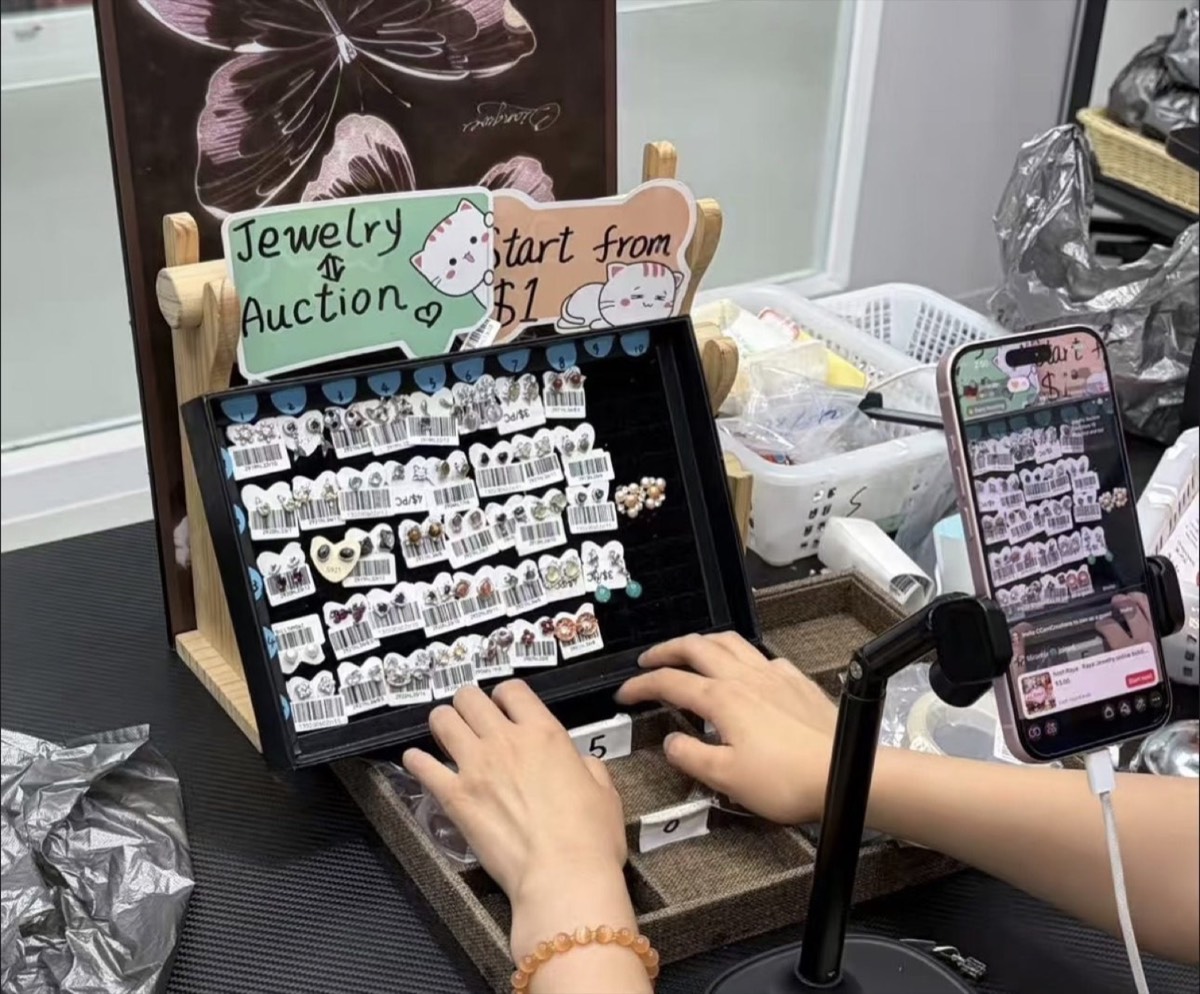
Worked example — 100 units at ¥20 each, 0.3 kg each, shipped by consolidated air freight: goods 100 × ¥20 = ¥2,000. Freight: first 0.5 kg at ¥68, then ¥45.6/kg → ¥68 + (29.5 × ¥45.6) = ¥1,413. Total CIF ≈ ¥3,413 ≈ $478. Duty 5% = $23.90. No VAT. Landed total ≈ $510–530 including clearance ≈ KWD 157–163 — about KWD 1.6 per piece, everything included. The same order into Saudi Arabia pays roughly $75 more in VAT alone.
If that per-piece number still leaves room at your retail price, the product works. If it doesn't, no amount of factory negotiation will save it — pick a lighter product or a bigger order. Run your own numbers in seconds with the landed cost calculator on our home page.
Step 5: Inspect before shipping — always
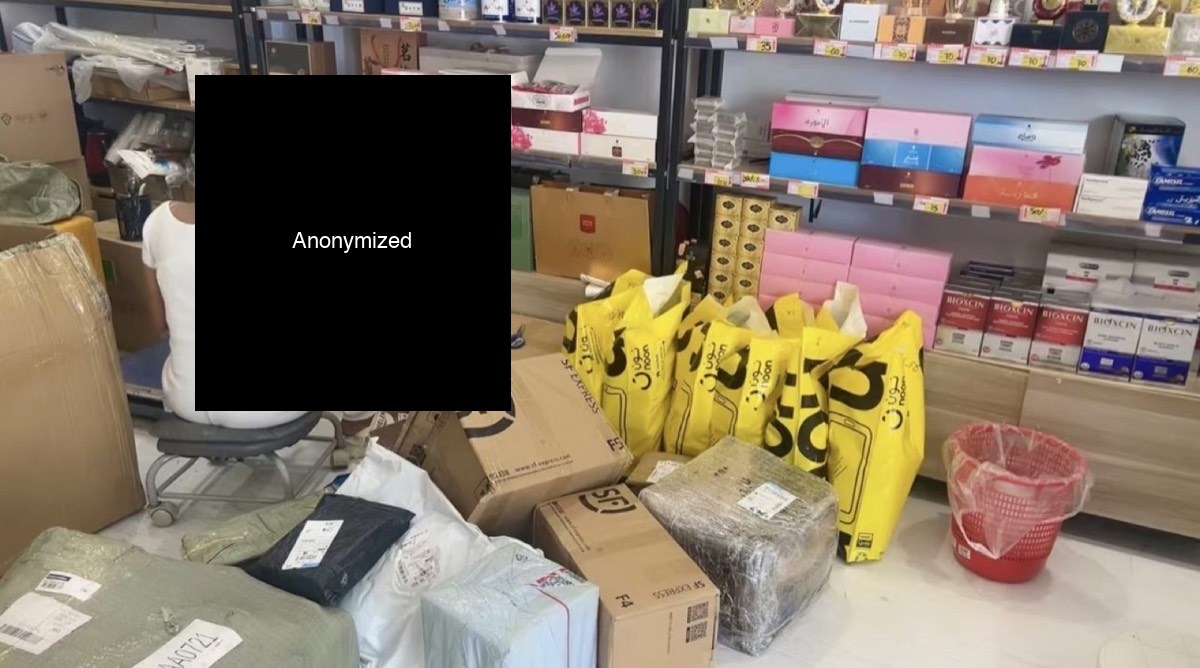
Once goods leave China, your leverage drops to nearly zero. Returning a defective shipment to a Chinese supplier from Kuwait City costs more than the goods. So the inspection has to happen before shipping: open cartons, count quantities, check defects, film it. Every order we handle gets a photo/video inspection report that you approve before anything ships. This single step is the difference between importers who last and importers who quit after one bad batch.
Step 6: Air or sea — which should you choose?
Air freight to Kuwait takes 5–10 days door-to-door and suits orders under ~300 kg or anything you need fast for a selling season. Sea freight takes 20–30 days via Shuwaikh port and becomes cheaper per kg somewhere above 1–2 CBM. For livestream sellers restocking proven products, sea is usually right; for testing new products, air wins because speed matters more than margin on a test batch.
| Method | Door-to-door time | Typical cost | Best for |
|---|---|---|---|
| Express / consolidated air | 5–10 days | $4–7 per kg | Orders under ~300 kg, testing new products, seasonal restocks |
| Air freight (cargo) | 4–8 days | $3–5 per kg (volume rules apply) | 200–500 kg, urgent larger orders |
| Sea LCL via Shuwaikh | 22–30 days | $80–150 per CBM | 1–15 CBM, proven sellers, Ramadan & Eid stock |
| Sea FCL via Shuwaikh | 22–32 days | Quoted per container | 15+ CBM, wholesale volumes |
Practical rule from our weekly shipments: test new products by air, restock proven winners by sea. And for Ramadan and Eid season, work backwards from the selling date — sea freight leaving China in the wrong week arrives at Shuwaikh after the season is over. We consolidate multiple suppliers into one shipment, so small orders from three factories still travel at sane rates.
Step 7: Clear customs with complete documents
Kuwait customs needs: commercial invoice, packing list, bill of lading/airway bill, certificate of origin, and KCAS Certificate of Conformity where applicable. Any mismatch — a wrong HS code, an invoice that doesn't match the packing list — and your shipment sits at Shuwaikh while storage fees grow. This is why our quotes include clearance: we prepare the documents in China, where fixing a mistake costs a phone call instead of two weeks.
What actually sells in Kuwait?
From our own order book, the categories that consistently move for Kuwaiti sellers: oud, bakhoor and incense burners (Kuwait has one of the world's highest per-capita spending on fragrance — home scent is year-round), luxury car accessories (Kuwait's car-ownership rate is among the world's highest), designer-inspired phone cases and accessories, abayas and modest-fashion items with premium finishing (Kuwaiti buyers prefer quality over quantity), Arabic coffee sets and dallah thermoses, Ramadan and Eid decorations (order 4–5 months ahead), and kids' toys and educational products. These are exactly the categories we curate in this month's product picks — each with a factory price, a landed price to the Gulf, MOQ and lead time.
Selling online? Boutiqaat is Kuwait's homegrown e-commerce giant, Instagram shops with WhatsApp ordering are still massive, noon Kuwait and Amazon.ae (delivering to Kuwait) are growing, and TikTok Shop is arriving with the young audience. We covered how to build a product line that converts on camera in the livestream sellers' guide.